Counter-flashing sealant dried and pulled away from the brick
We grind out the old sealant and mortar, reset the counter-flashing into a fresh groove, and seal it with ChimneySaver flashing sealant. The joint is water-tested before we leave.
Chimney flashing repair in Milford, Connecticut is the fastest way to stop water running down your flue and into your ceiling. We pull the old rusted flashing, rebuild the seal with new metal and counter-flashing, and water-test it before we pack up. If you have a stain spreading on the ceiling near the chimney, that is flashing until proven otherwise. We serve Downtown Milford, Woodmont, and every neighborhood in between.
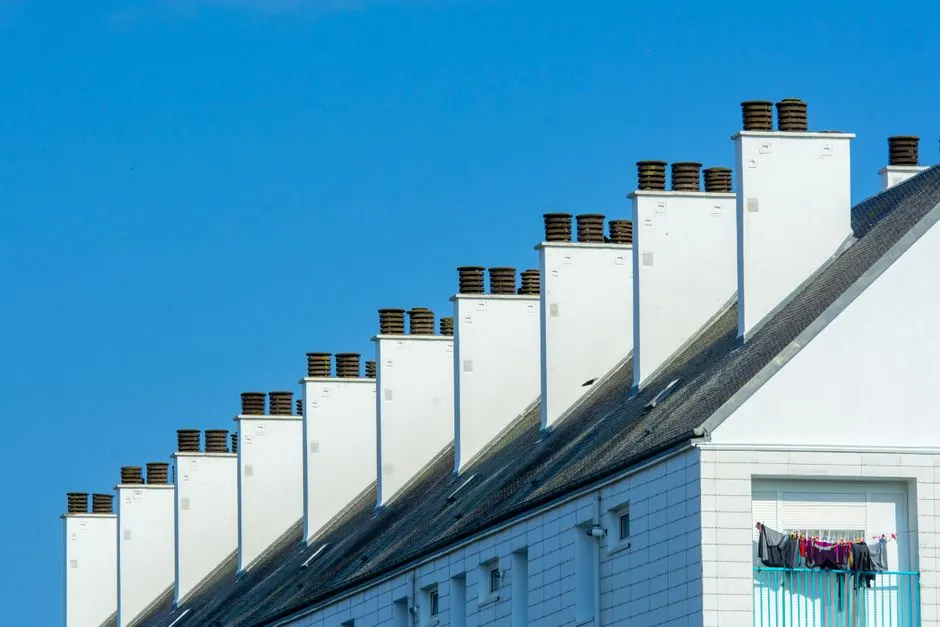
Chimney flashing repair in Milford, Connecticut is the work of resealing or rebuilding the metal that bridges your roof surface and your chimney walls. That metal comes in layers: base flashing woven into the shingles, step flashing up the sides, counter-flashing cut into the masonry, and a cap or apron at the front. When any layer lifts, cracks, or rusts through, rain finds the gap. We remove the failed sections, replace them with new metal, and reset the counter-flashing into fresh mortar so the joint sheds water instead of drinking it.
Most flashing failures we see in Milford start with age, not storms. A 20-year-old roof has been through hundreds of freeze-thaw cycles, and the sealant under the counter-flashing dries out and pulls away from the brick. That is when you get a chimney leak, and it usually shows up as a brown ring on the ceiling or rust streaks on the firebox. Homeowners searching for chimney flashing repair near me Milford CT usually find us after the second or third rain that leaves a bucket on the floor. We stop that cycle.
Every flashing job we do in Milford includes the same core scope, so you know exactly what you are paying for. If we find rot, a failed crown, or a damaged liner while we are up there, we quote it separately and let you decide. No surprise line items.
Roof-side and attic-side inspection of the base flashing, step flashing, counter-flashing, and the mortar groove. We use an inspection camera inside the flue and check the roof deck for water staining so we know the full extent of the damage.
We cut back the shingle courses, pull the rusted step flashing, and grind the old counter-flashing out of its groove. Rotted decking or sheathing gets replaced before anything new goes down. This is the step that separates a real repair from a smear of sealant.
New copper or stainless step flashing woven into the shingles, new counter-flashing set into a fresh mortar groove, and a new apron at the front of the chimney. We use flashing tools and fasteners rated for exterior masonry and coastal air.
We pack the counter-flashing groove with refractory mortar and seal the edges with ChimneySaver or Rutland flashing sealant. The joint is built to shed water, not just sit there. This is where most DIY flashing jobs fail.
We hose the chimney from multiple angles and check the attic side for drips before we call the job done. You get before-and-after photos, a written workmanship warranty, and a reminder to have the sealant checked each spring.
We start on the roof and finish in the attic. Up top we check the base flashing, step flashing, and counter-flashing for rust, lifting, and missing fasteners. Inside, we look for water staining on the roof deck and rafters. This takes about 30 minutes and tells us whether you need a repair or a full chimney flashing replacement Milford CT homeowners can count on.
Flashing is not the only thing that leaks. We run a smoke test kit and a controlled water test to confirm the water is coming in at the flashing and not through a cracked chimney crown or open mortar joints. Confirming the source first keeps you from paying for the wrong repair.
We cut back the shingles, pull the rusted step flashing, and grind out the old counter-flashing groove with an angle grinder. Any rotted roof decking gets replaced before new metal goes down. This is the messy part, and it usually takes one to two hours.
We set new copper or stainless step flashing, weave it into the shingle courses, and seat the counter-flashing into a fresh mortar groove. We use a masonry trowel and refractory mortar to lock it in, then seal the edges with ChimneySaver or Rutland flashing sealant. Every fastener gets covered by the next shingle course.
We hose the chimney from three angles and watch the attic side for drips. If it is dry, we clean the roof, haul away the old metal, and walk you through photos of the repair. You get a written workmanship warranty and a reminder to re-check the sealant each spring.
Purpose-built equipment, used by trained technicians — so the job is done accurately the first time.
Used to bend and seat step flashing and counter-flashing, and to pack fresh mortar into the counter-flashing groove so the metal sits tight against the brick.
Cuts the old counter-flashing out of the masonry groove and grinds the joint clean so new mortar and metal bond properly. A clean groove is the difference between a seal and a smear.
Lets us see inside the flue and behind the chimney chase without tearing anything apart. We use it to confirm whether water has reached the liner or the insulation.
Confirms the leak path by tracking smoke and air movement through the chimney. It separates a flashing leak from a crown or mortar joint leak before we quote the repair.
Mixes refractory mortar and tuckpointing mortar to the right consistency for the counter-flashing groove and any masonry repair that comes up during the job.
Exterior-grade flashing sealants that stay flexible through Milford freeze-thaw cycles. We use them on the counter-flashing edges and any exposed fasteners.
A 1940s brick chimney in Woodmont had counter-flashing sealant that had dried and pulled away from the brick on all four sides. Every hard rain sent water down the chimney chase and left a brown stain on the ceiling below.
We ground out the old sealant and mortar, reset the counter-flashing into a fresh groove, and sealed it with ChimneySaver. A three-angle water test ran dry. The repair took three hours and cost $520.
A Devon home had step flashing rusted through in two places, with water staining the roof deck and a soft spot in the sheathing. The homeowner had already patched it twice with roof cement, which had failed both times.
We pulled the shingle courses, replaced the rotted decking, and installed new copper step flashing and counter-flashing. The job took six hours and cost $1,850. Two winters later the attic is still dry.
A Walnut Beach cottage had galvanized flashing that had corroded to the point of flaking apart. Salt air had done the damage, and the chimney leaked into the attic every time the wind blew rain against that side of the house.
We replaced the galvanized metal with stainless steel step flashing and copper counter-flashing, then reset the mortar groove. Cost was $1,400, and the chimney has not leaked through two storm seasons.
Most chimney leaks trace back to one of a handful of failures. Here are the ones we see most often on Milford roofs, and what happens if they are left alone.
Ask a pro →We grind out the old sealant and mortar, reset the counter-flashing into a fresh groove, and seal it with ChimneySaver flashing sealant. The joint is water-tested before we leave.
We pull the shingle courses back, replace the step flashing with new copper or stainless, and weave it in so every fastener is covered. Rotted decking gets replaced at the same time.
We reset the flashing, re-secure it to the deck, and rebuild the seal. On problem roofs we add a proper ice-and-water detail so the same thing does not happen next winter.
We test the crown and flashing separately with a smoke test kit and controlled water test, then fix the actual source. If the crown is cracked, we rebuild it with crown sealant and refractory mortar.
Most flashing repairs in Milford run $350 to $900 in 2026, depending on roof pitch, chimney size, and whether the counter-flashing groove needs to be reground. A simple reseal with new sealant starts around $250. Full chimney flashing replacement cost in Milford Connecticut climbs to $1,200 to $2,500 when the step flashing and shingles both need to come up. We give you the number before we start.
The counter-flashing sealant has failed, or the step flashing has rusted through. In Milford, salt air and freeze-thaw cycles speed both up. Water gets behind the metal, runs down the masonry, and shows up as a ceiling stain or rust in the firebox. A smoke test kit and water test confirm the exact entry point before we quote the repair.
Yes. We replace flashing on asphalt shingle, standing seam, and flat roofs throughout Milford. The job takes two to five hours for a standard chimney. We cut back the shingles, remove the old metal, install new copper or stainless step flashing, and reset the counter-flashing into fresh mortar. You get a water test and photos when we finish.
Wire Neo repairs chimney flashing across Milford, from Woodmont and Walnut Beach to Devon and the Boston Post Road Area. We are licensed, insured, and have been working on Milford chimneys since 2021. Call (844) 796-3584 and we will schedule a same-day estimate, or an emergency chimney flashing repair Milford Connecticut call if water is actively coming in.
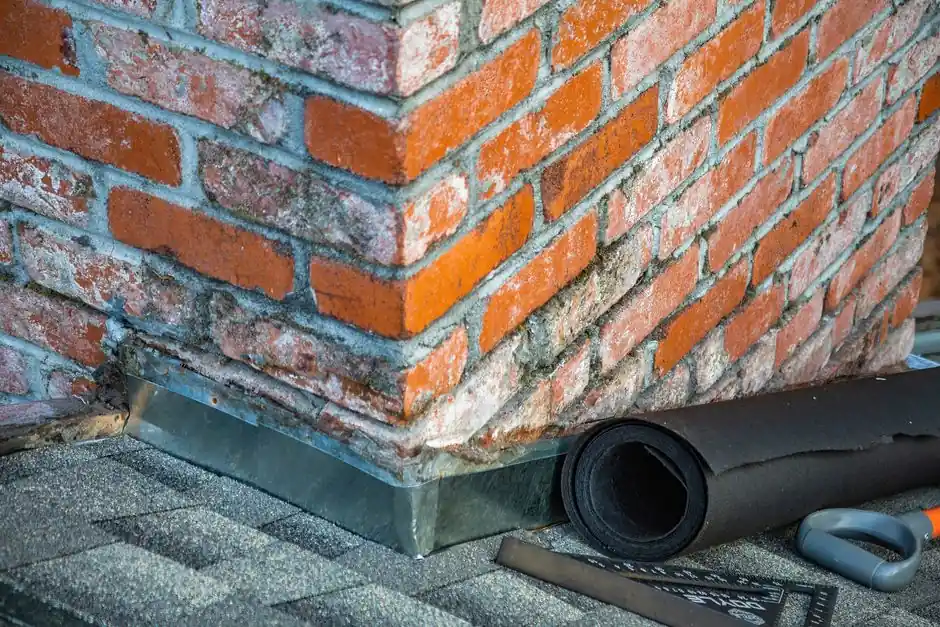 Chimney Repair Near MeFlashing is one part of a chimney system. When we are on your roof for flashing, we check the crown, cap, and mortar joints. If something else is failing, we quote it on the spot so you can plan the work instead of reacting to the next leak.Explore →
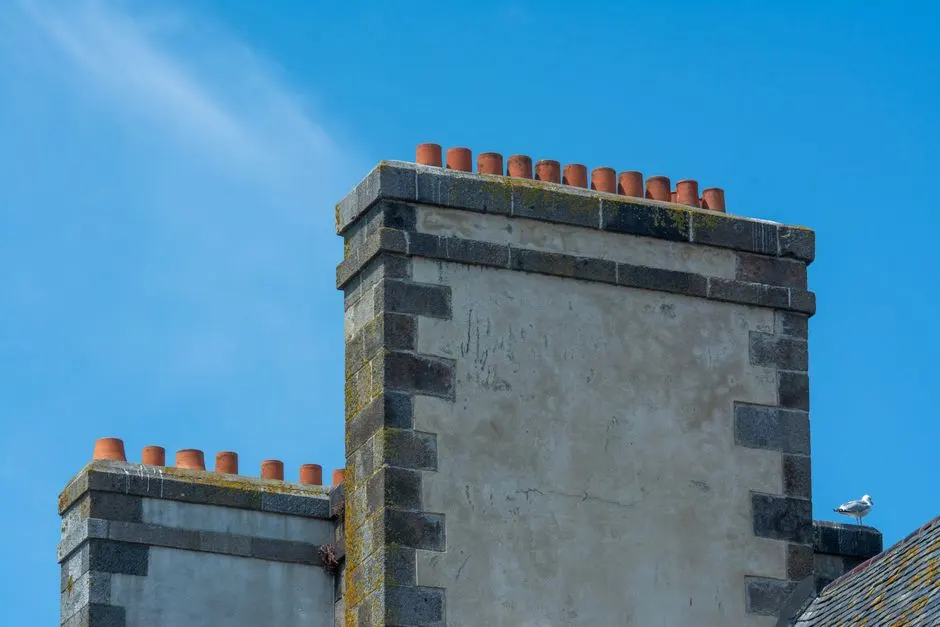 Chimney Masonry RepairWater that gets past bad flashing freezes in the brick and pops the faces off. We replace spalling brick and repoint deteriorated mortar joints with tuckpointing mortar matched to your chimney. Fixing the flashing first keeps the masonry repair from being wasted.Explore →
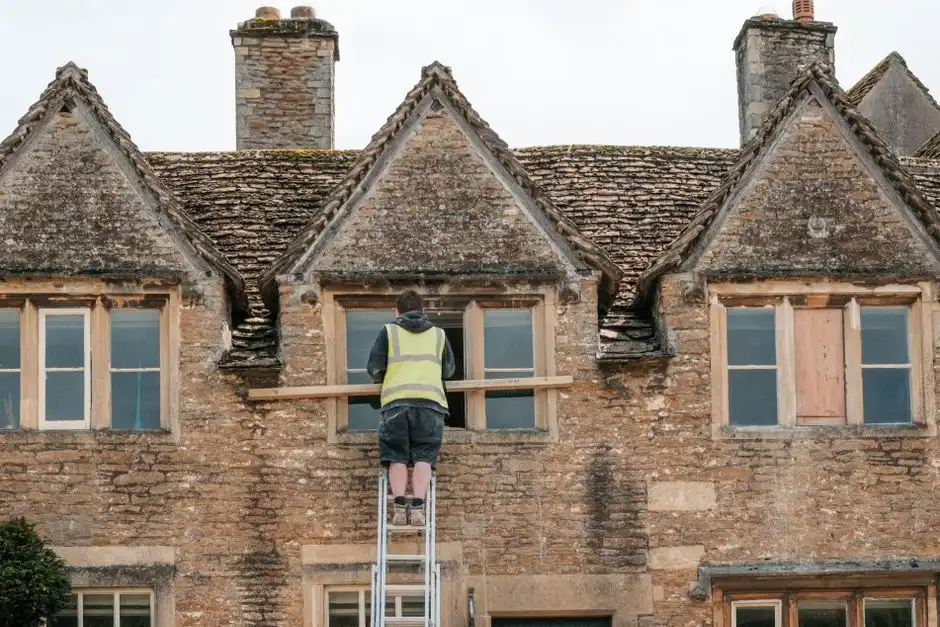 Chimney Crown RepairA cracked chimney crown leaks in almost the same way bad flashing does. We grind out the cracks, rebuild the crown with crown sealant and refractory mortar, and slope it so water runs off. Crown and flashing repairs done together stop the two most common chimney leaks.Explore →
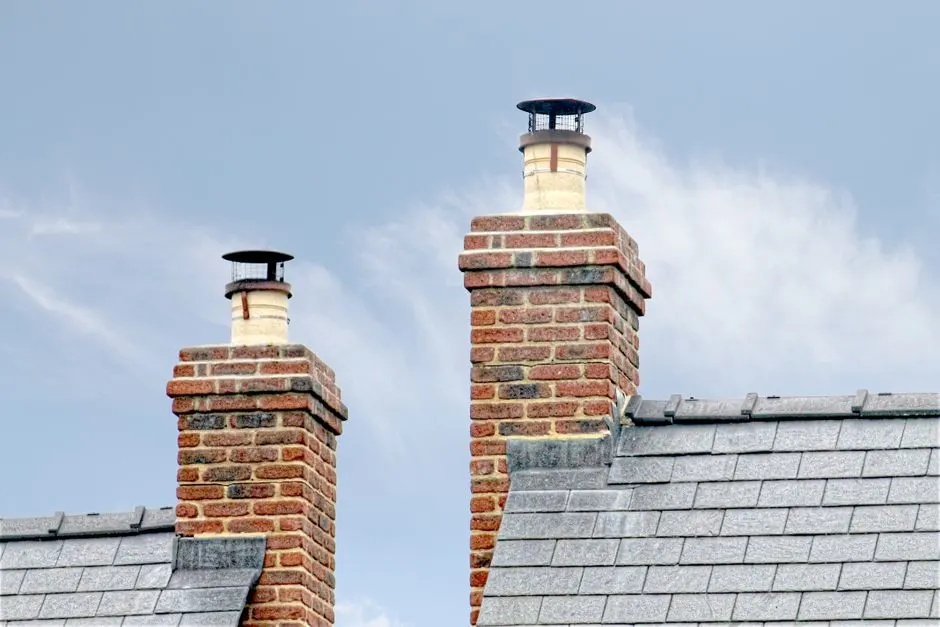 Chimney ReliningYears of flashing leaks can leave the flue liner cracked or the insulation soaked. We install stainless steel chimney liners sized to your appliance and insulate them properly. If your liner is damaged, relining is the code-correct fix under NFPA 211.Explore →
 Chimney Cap RepairA missing or rusted chimney cap lets rain straight into the flue. We repair and replace caps with stainless models from Selkirk and DuraVent. A cap plus sound flashing is the two-part defense that keeps water out of your chimney for good.Explore →
 Chimney MaintenanceAn annual visit catches flashing sealant failure before it becomes a leak. We inspect, clean, and re-seal as needed, and we sweep creosote buildup out of the flue. Milford homeowners on a yearly plan spend less over ten years than those who wait for damage.Explore →
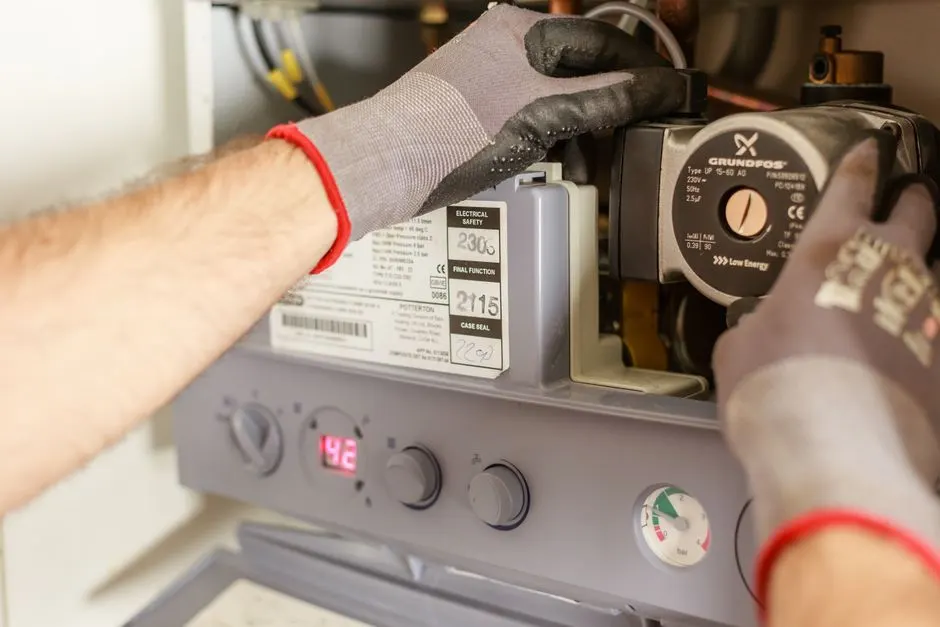 Fireplace RepairWater damage from a flashing leak often shows up at the firebox: rusted damper, cracked firebrick, stained smoke chamber. We repair dampers, replace firebrick, and re-parge smoke chambers so the fireplace drafts and burns the way it should.Explore →
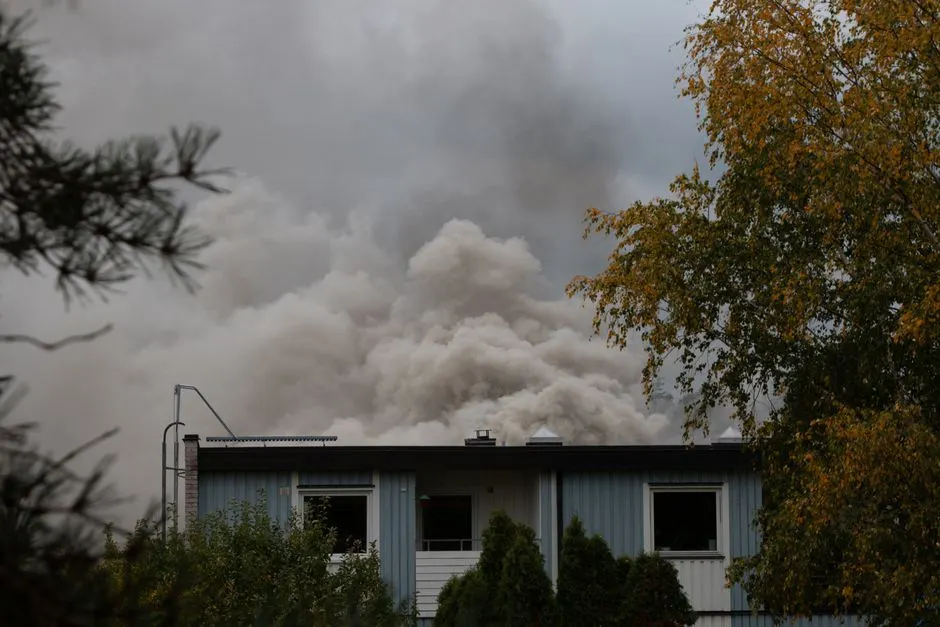 Emergency Chimney RepairActive water pouring in during a storm is an emergency. We tarp the chimney, stop the intrusion, and return to do the permanent flashing repair when the weather clears. One call handles both the emergency and the fix.Explore →
Water stains on the ceiling only get bigger. Call (844) 796-3584 and we will inspect the flashing, confirm the leak source, and give you a written price the same day. Licensed, insured, and warrantied work from a crew that has been on Milford roofs since 2021.
Book My Estimate (844) 796-3584 →Call (844) 796-3584 or send us a message and we will get back to you the same day. Our phone line stays open 24/7 for emergencies, and regular estimates get scheduled within a day or two. Tell us what you are seeing, hearing, or smelling and we will tell you what it likely means before we even get on the roof.